


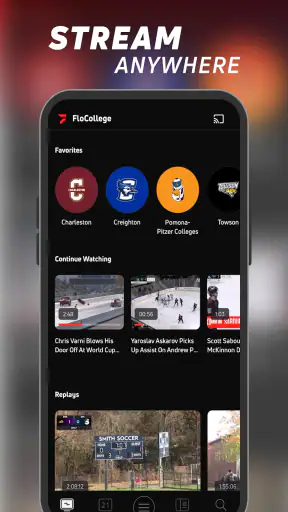
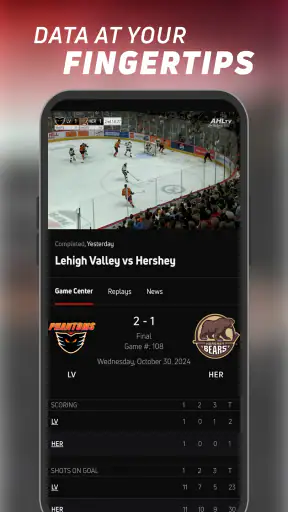
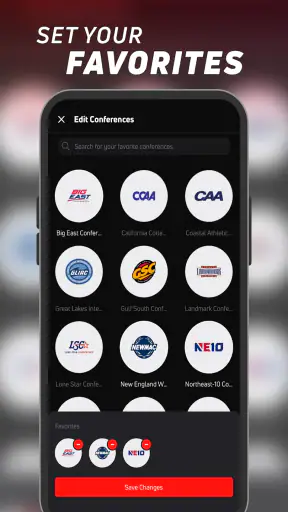
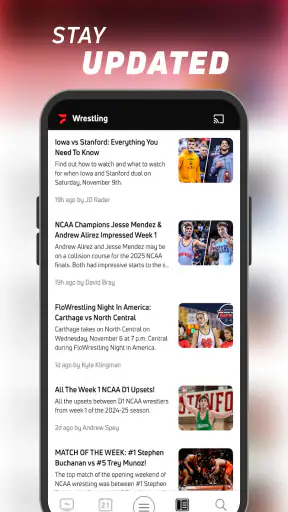

I approached FloSports: Watch Live Sports as a sports viewer who wants more than a quick score update. The app is built around live and on-demand event viewing, with original sports content included in the same place. That focus makes it appealing when the event you care about is not being shown through the usual broad television or general streaming options, but it also means the experience depends heavily on the sports coverage available to you and how comfortable you are managing an account-based viewing service.
Developed by FloSports, this free sports app has been available since September 10, 2019, and carries a Teen content rating. Its audience is already substantial: it has passed one million installs, with an average score of 4.5 from around 7,800 ratings and about 1,600 written reviews. Those figures suggest that many viewers find the service useful, although they do not remove the need to check whether its particular event coverage matches your interests before making it part of your routine.
What using FloSports feels like in everyday viewing
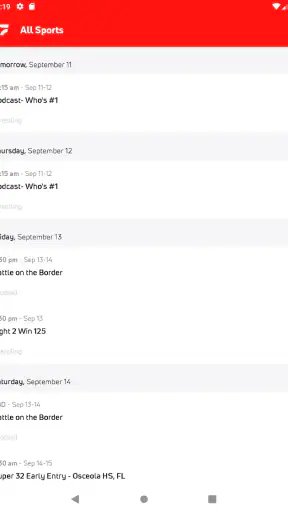
The clearest way to understand the app is to think of it as a destination for following sports that may not receive much attention in general-purpose streaming apps. Instead of opening it merely to browse a broad entertainment catalog, I would open it with a specific intention: find a live event, catch up on a competition I missed, or watch a sports-focused program when I have more time.
That distinction matters. A general television app is often designed to offer a little of everything, while FloSports is organized around sports viewing as the main activity. If you already know what you want to watch, that concentration can make the app feel more purposeful. If you are hoping to discover a wide mixture of unrelated entertainment, it is naturally a less suitable choice.
A realistic use case would be a busy weekday evening. I might have followed an event during the day but missed the live window because of work or travel. Rather than searching several unrelated services, I could open this app and look for the event or associated on-demand material. The value is not just the live stream itself; it is the possibility of keeping the same sports destination in my viewing habits instead of relying on social posts, scattered clips, or incomplete highlights.
For a fan who follows a sport closely, that workflow is more useful than it may sound. Live viewing creates urgency, but on-demand access changes the app from a one-time broadcast tool into something I can return to when my schedule allows. I would still check the event page carefully before settling in, because live availability and replay usefulness can vary by the competition and the viewer’s location or account situation.
Why the live and on-demand combination matters
The strongest idea in the app is the connection between immediate viewing and later catch-up. A service that only handles live broadcasts can be frustrating when a match starts during school, work, commuting, or family commitments. FloSports is more practical when I treat it as a viewing library for sports events rather than as an alarm clock that requires me to be present at one exact moment.
That does not mean every viewer will use both sides equally. Some people only want a live feed and have no interest in recorded coverage. Others prefer to watch after the event, pause when needed, and fit viewing around their day. The app makes the most sense for the second group because its value increases when I use it repeatedly instead of downloading it for a single broadcast.
There is also a useful difference between watching a full event and relying on short social clips. Short clips are convenient for a quick update, but they rarely provide the same sense of competition, pacing, or context. On-demand viewing is better when I want to understand how an event developed rather than simply see its most shareable moment.
My practical tip would be to decide before opening the app whether I want an immediate live session or a catch-up session. That small decision prevents aimless browsing and helps me judge the app fairly. A live viewer should focus on event timing and playback readiness; an on-demand viewer should first confirm that the relevant content is available to watch later.
Original programming adds a second reason to return
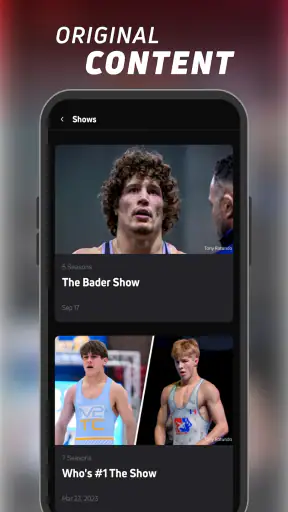
The app is not limited to event streams. It also includes exclusive original content, which gives it a different rhythm from a service that only appears when a competition is taking place. I see this as a useful bonus for committed fans: between live events, the app can remain relevant through sports-focused programs and material made for the platform.
That content is most valuable when it supports an existing interest. If I already follow a sport, original programming can help me spend more time with it when there is no live action. It is less convincing as a reason for someone who does not care about the sports represented in the service. The app’s identity is narrow by design, and that is both its strength and its limitation.
One non-obvious trade-off is that a larger sports catalog can make the service feel richer while also making the first visit less clear for a casual viewer. I would use saved searches, browsing habits, or a simple personal routine to avoid repeatedly scanning everything. For example, I might check live events first, then use on-demand content only when I have a longer viewing window. That keeps the app from becoming another endless scroll.
Trust begins with what the app visibly lets me control
When I evaluate a streaming app, I do not judge trust from its appearance alone. I look for the choices presented during sign-in, the clarity of account steps, and whether I can understand what I am doing before I commit time to the service. With FloSports, the important question is not simply whether the streams work; it is whether the account experience feels manageable for the way I plan to watch.
I would create an account deliberately rather than rushing through setup. I would read each screen, note which details are requested, and avoid treating every optional prompt as necessary. This is a sensible habit for any app that connects viewing to a personal profile. It also gives me a clearer sense of which choices belong to basic access and which are related to personalization or communication.
The app is free to install, which lowers the barrier to trying it. Still, “free” should not be interpreted as a promise that every viewing situation will be frictionless. I would explore the available content first, understand the account path, and only then decide whether it deserves a regular place on my phone. This approach is especially important for users who are careful about subscriptions, notifications, or sharing personal details across services.
Account control is also relevant in a household. If more than one person uses the same device, I would make sure the active account is the one intended for viewing before starting an event. That simple check can prevent confusion around recommendations, viewing history, or later account management. I would also sign out when using a shared or borrowed device, rather than assuming the next viewer will know how to switch profiles.
Permissions, privacy choices, and moments that deserve attention
My privacy review would begin at the operating-system permission prompts, not with assumptions about what a sports app must be doing. I would grant only permissions that make sense for a feature I plan to use, and I would revisit them later through the phone’s settings if my usage changes. If a permission is not clearly connected to watching live or on-demand sports, I would pause before approving it.
This is a useful distinction between necessary viewing and optional convenience. Streaming video generally requires network access, but that does not automatically mean every other device permission is essential to the core experience. I would treat each request as a separate choice instead of accepting everything in one motion.
There are several data-sensitive moments where I would slow down. The first is account creation, because this is where a viewer may be asked to enter personal information. The second is any communication or notification choice, since alerts can be useful for live events but irritating when they become too frequent. The third is account removal or device changes, where I would want to understand how to stop using the service cleanly.
I would also pay attention to whether a prompt is clearly optional. A trustworthy experience does not require me to guess which button is merely convenient and which one is necessary. When a choice is presented, I prefer wording that explains its purpose in plain language. If the screen is unclear, my response would be to postpone the decision rather than grant access automatically.
That cautious approach does not make the app difficult to use. It simply separates the act of watching sports from the act of sharing more information than I need to share. For me, that is the right balance: enjoy the service, but remain aware of the account and device choices surrounding it.
How much control the viewer really has
User agency is strongest when I can decide when to watch, what to follow, and how often the app contacts me. FloSports supports that kind of control through its combination of live and on-demand viewing, but I would still manage my own routine rather than allowing every available alert to dictate it. Live sports can create pressure to respond immediately, while recorded access gives me a chance to reclaim my schedule.
My preferred workflow would be to keep notifications limited to the events I genuinely care about, then open the app when I have enough uninterrupted time. If I am only checking whether something is available, I would avoid starting playback until I am ready. This sounds minor, but it prevents the common frustration of beginning a stream during a short break and then having to stop just as the event becomes interesting.
On a shared phone, I would be particularly careful with account controls. I would check the signed-in identity, avoid leaving personal account pages open, and review device settings if I no longer use the app. These are ordinary precautions, but they matter more than a polished interface when the goal is to keep control of a personal sports-viewing account.
Another useful habit is to separate discovery from commitment. I would browse the sports content first, identify the events or original programs that genuinely interest me, and then decide whether the app deserves regular attention. This avoids confusing a large amount of available material with personal value. A catalog can be impressive and still be irrelevant if it does not cover the competitions I actually follow.
Where it beats ordinary alternatives—and where it does not
Compared with general video platforms, FloSports has a clearer sports-first purpose. A broad platform may offer clips, commentary, and occasional event coverage, but finding a complete sports viewing experience there can require more searching. FloSports is the better fit when I want a dedicated place for live events, later viewing, and sports-related original content.
Compared with a traditional television package, the app is more flexible for someone who watches on a phone and wants to fit viewing around a changing schedule. On-demand access is particularly helpful when a broadcast time conflicts with work or travel. However, viewers who already receive all their preferred events through an existing television service may not gain much from adding another destination.
Compared with free social media clips, the app is more appropriate for fans who want continuity and context rather than isolated highlights. The trade-off is that a casual viewer may find a dedicated sports service unnecessary if they only want a score or a short recap. In that case, a news app or the sport’s established public channels may be faster for quick information.
The most important comparison is not technical; it is about coverage. FloSports is a strong choice when its event selection aligns with my interests. It is not automatically the best sports app for every fan simply because it offers live viewing. Before building a routine around it, I would identify the specific competitions I follow and confirm that the app is relevant to those viewing needs.
Who should try it, and who should pass
I would recommend trying FloSports to a dedicated sports fan who wants a focused viewing destination and values the ability to return to events after they happen. It is also a sensible option for someone whose schedule makes live television unreliable, provided the app’s available sports match their interests. The combination of live events, on-demand viewing, and original content gives regular users more reasons to return than a single-purpose broadcast tool.
I would be more cautious about recommending it to a viewer who wants a broad entertainment service, a simple score tracker, or one universal subscription covering every sport. The app is specialized, so its usefulness depends on fit. Someone who watches only occasional major events may prefer the services they already use rather than adding a dedicated sports app.
I would also suggest that privacy-conscious users take a measured approach during setup. The app can still be worth trying, but I would review permissions, communication choices, and account screens carefully. The right mindset is not suspicion for its own sake; it is making intentional choices instead of treating installation as automatic approval for every possible option.
My cautious verdict after using it
FloSports: Watch Live Sports earns its place by treating sports viewing as the main event rather than a small feature inside a general entertainment platform. I like the practical combination of live coverage, on-demand access, and exclusive original content, especially for fans who cannot always watch at the scheduled time. Its free installation and large existing audience make it easy to test without much commitment at the starting point.
My reservation is that the app’s value is highly personal. It depends on whether the sports and events I care about are represented and whether I am willing to manage another account-based viewing service. I would not install it simply because I want “more sports”; I would install it because I have a clear reason to use its live or on-demand catalog.
My recommendation is to try it with a specific viewing goal, review every account and permission choice, and keep notifications under your control. For a committed fan, that approach can turn the app into a useful part of a weekly sports routine. For a casual viewer seeking quick updates or broad entertainment, a simpler alternative may be the better fit.


